
# Fine-Tuning the Spurs: Tactical Adjustments for Success
As the San Antonio Spurs continue their playoff campaign, their recent form has revealed both strengths and weaknesses that can be exploited for greater success. With a combination of young talent and seasoned veterans, the Spurs possess a versatile roster capable of adapting to various tactical approaches. However, a closer analysis of their gameplay suggests that a few strategic tweaks could elevate their performance and help them capitalize on their strengths.
Offense: Diversifying the Attack
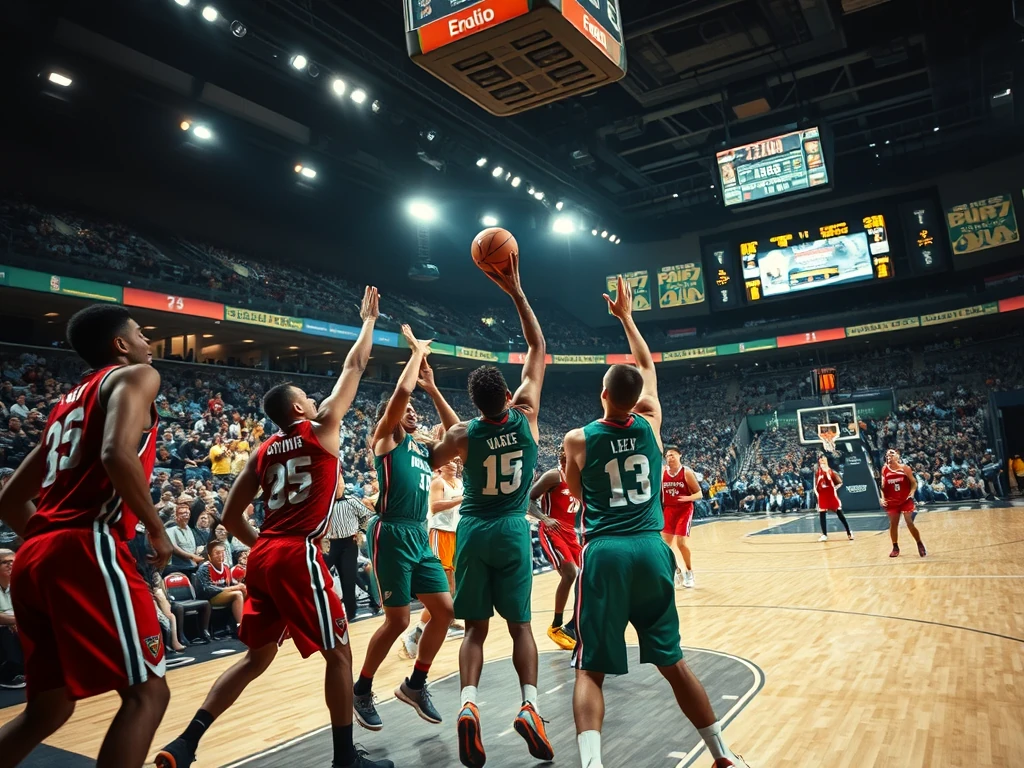
In recent games, the Spurs have relied heavily on isolation plays, particularly involving Victor Wembanyama and the pick-and-roll with the guards. While this strategy has its merits, particularly with Wembanyama's ability to create mismatches, it has resulted in a predictable offensive scheme that defenses can prepare for. To counteract this, integrating more ball movement and off-ball screens could diversify their attack. By utilizing players like Stephon Castle and De'Aaron Fox in motion, the Spurs can create open looks from the perimeter, improving their 3P% which has fluctuated throughout the series.
Additionally, implementing more staggered screens could free up shooters like Doug McDermott and Keldon Johnson, allowing them to exploit defenses that collapse on Wembanyama. This would not only create space for perimeter shots but also open driving lanes for the guards, enhancing the overall offensive flow.
Defense: Reassessing the Rotations
Defensively, the Spurs have shown moments of brilliance but have struggled with consistency, particularly in transition defense. Opponents have capitalized on fast-break opportunities, leading to easy buckets that can swing momentum. To address this, the Spurs should focus on establishing a more disciplined rotation, ensuring that players are aware of their responsibilities when the ball transitions up the court.
Moreover, increasing the use of defensive switches can help mitigate mismatches, especially when facing teams with explosive perimeter players. By having their wings like Johnson and Castle switch more frequently on screens, the Spurs can maintain pressure on ball handlers and reduce the effectiveness of opposing offenses. This adjustment could also lead to more opportunities for steals, which can be converted into fast-break points, a crucial aspect of modern NBA play.
Rebounding: Controlling the Glass
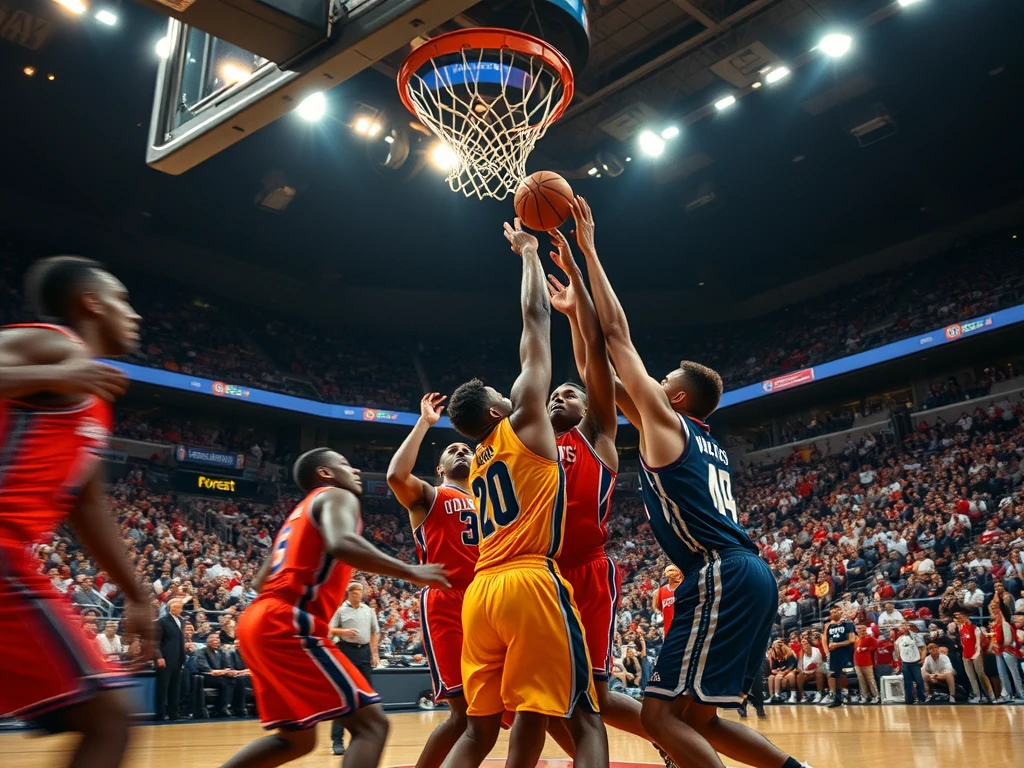
One area where the Spurs have struggled is on the boards. Securing rebounds is essential for establishing possession and limiting second-chance opportunities for the opposition. To improve their rebounding numbers, the Spurs should emphasize boxing out techniques and assigning specific rebounding responsibilities to their bigs, particularly Wembanyama and Zach Collins. Implementing a more aggressive crashing strategy could help the Spurs control the paint and set the tone for their defensive efforts.
Additionally, encouraging guards to crash the boards could lead to a more dynamic transition game, allowing the Spurs to capitalize on quick offensive opportunities once they secure the rebound. This strategy would not only improve their possession metrics but also create a more aggressive identity on the floor.
Conclusion: The Path Forward
As the Spurs look to refine their gameplay in the playoffs, these tactical adjustments can be the difference between advancing to the next round or facing an early exit. By diversifying their offensive strategy, enhancing their defensive rotations, and improving their rebounding efforts, San Antonio can capitalize on their roster's potential and create a more formidable presence on the court. With the right tweaks, the Spurs can continue to build on their recent performances and make a deep playoff run.