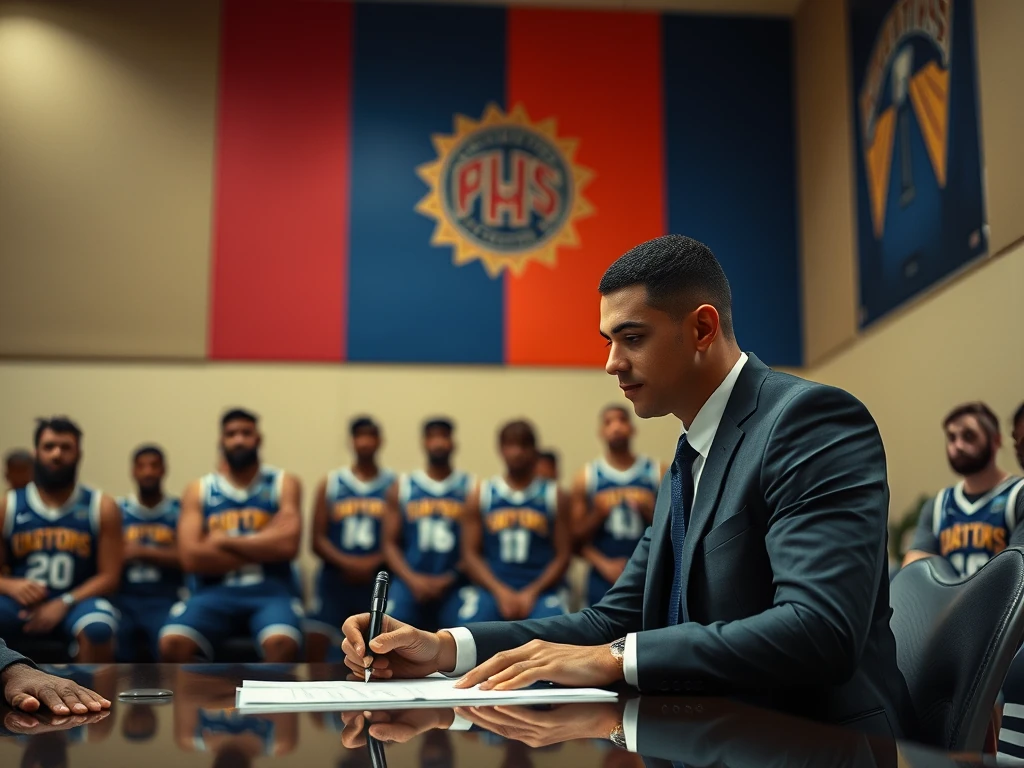
San Antonio Spurs sealed a five‑year, $250 million max extension with Victor Wembanyama on Friday, anchoring the franchise’s next title window while preserving salary‑cap flexibility.
Why did the Spurs choose a 25% cap hit?
The deal starts at 25% of the 2027‑28 salary cap, even if Wembanyama earns MVP, DPOY or All‑NBA honors. Shams Charania reported the center could have demanded a 30% clause, but he opted for a "contract sacrifice" that gives the club room to add complementary pieces. This mirrors the NBA’s collective bargaining design that nudges stars toward team‑first structures, as seen with Boston’s recent trade of Jaylen Brown after his 35% cap share.
How could this reshape the league?
By freeing roughly $10‑12 million each year, the Spurs can chase two promising backcourt talents-Stephon Castle and Dylan Harper-without hitting the second‑apron hard cap. The Knicks’ 2024‑25 hard‑cap miss of $53,349 and their championship run illustrate how a well‑timed, below‑max contract can fuel a roster built around high‑priced role players. If San Antonio follows that blueprint, they could field a lineup where Wembanyama dominates the paint while Castle and Harper stretch the floor.
What does recent form say about the challenge ahead?
The Spurs entered the offseason on a rough stretch: recent form (last 5) reads 1W‑0D‑4L (LLWLL, most recent first) and they lost the last two games. Their most recent result was a 90‑94 loss to the New York Knicks on 2026‑06‑14. Those defeats highlight defensive lapses and a need for secondary scoring, underscoring why cap space matters now more than ever.
What are the next steps for San Antonio?
Coach Gregg Popovich will likely use the freed cap room to sign a veteran wing who can guard elite perimeter players and knock down open threes. Meanwhile, Wembanyama’s 7‑foot‑4 frame continues to generate block‑heavy rim protection, averaging double‑digit rebounds and a growing offensive arsenal. If the Spurs lock in Castle and Harper on rookie‑scale deals, the trio could form a new era of pick‑and‑roll dominance, forcing opponents to defend multiple threats in the paint and beyond.
How does this compare to other recent extensions?
Jalen Brunson’s four‑year, $156 million deal with the Knicks capped at about 23% of the salary cap, leaving the club room to sign Karl‑Anthony Towns, OG Anunoby and Mikal Bridges. The Spurs’ approach mirrors that flexibility, but with a younger core and a higher ceiling. If the franchise leverages the cap space wisely, Wembanyama’s contract could indeed tip the NBA’s balance of power in the coming years.