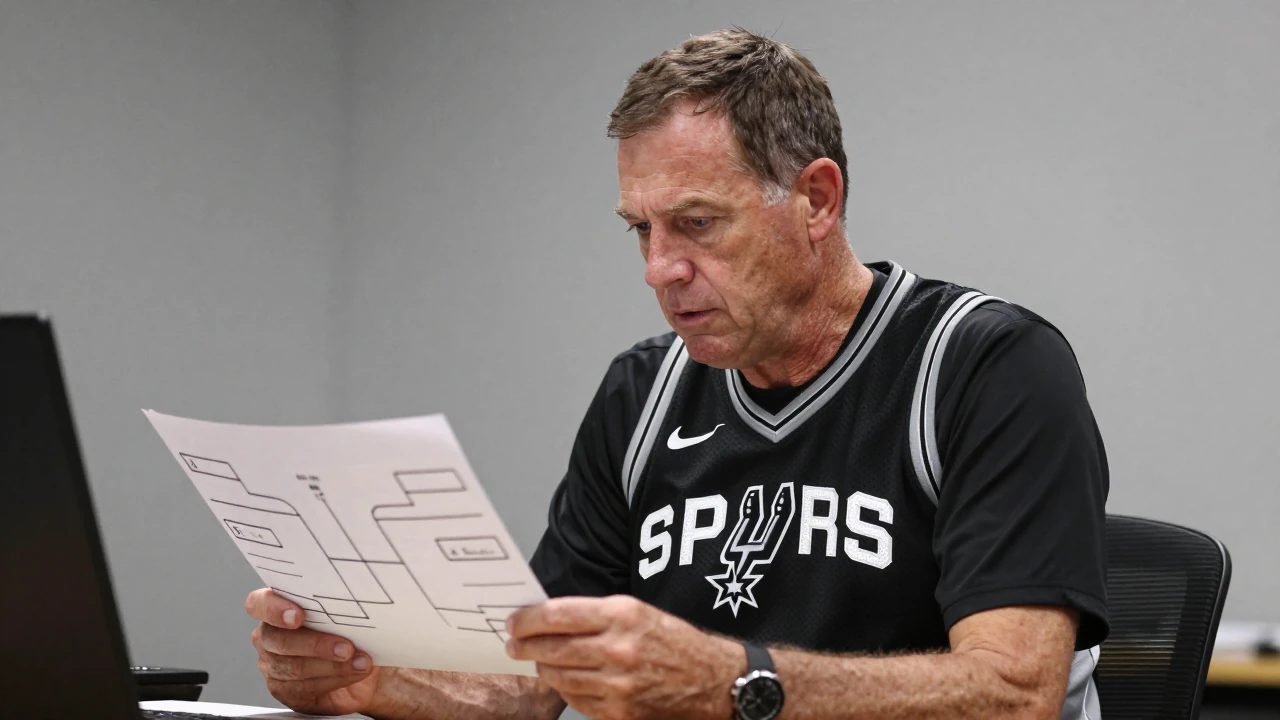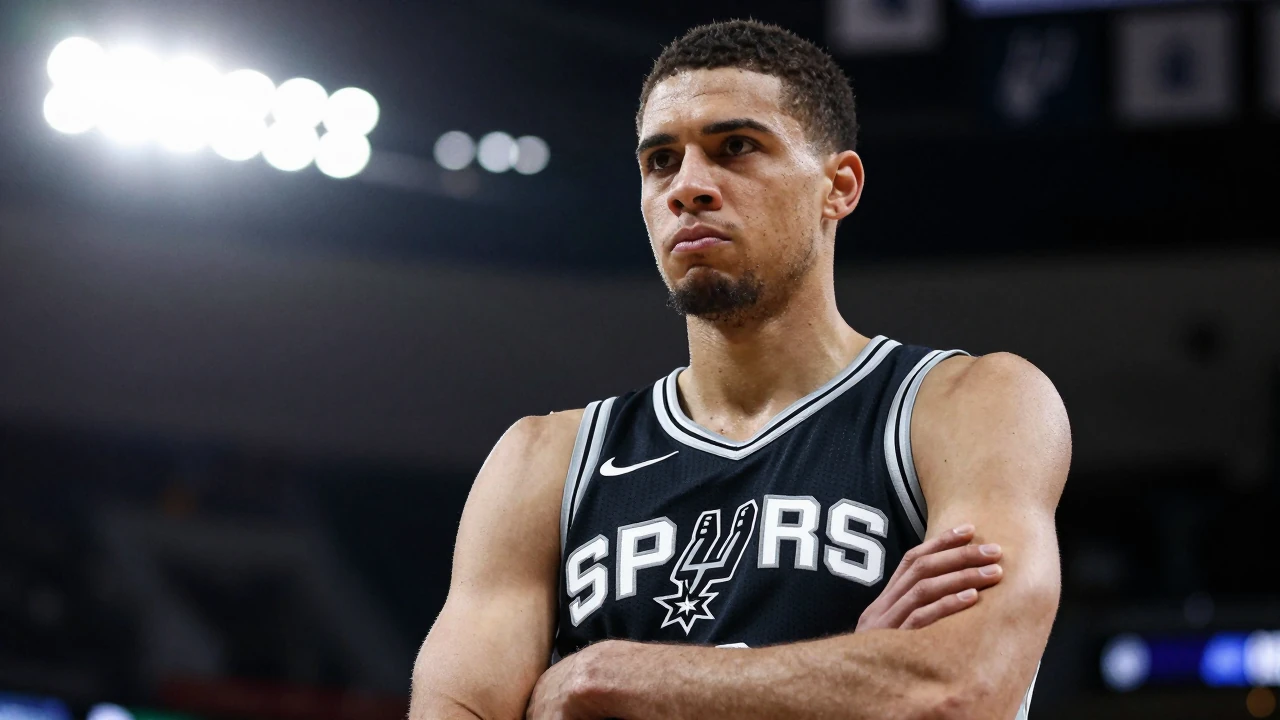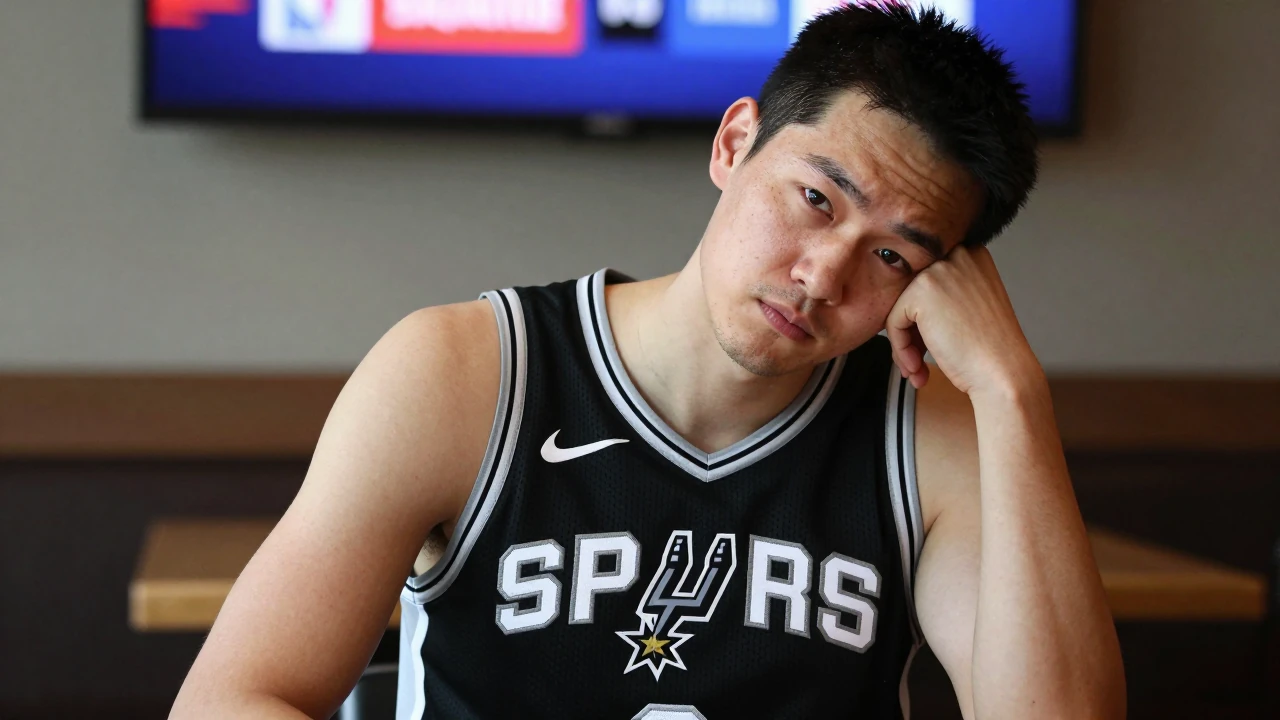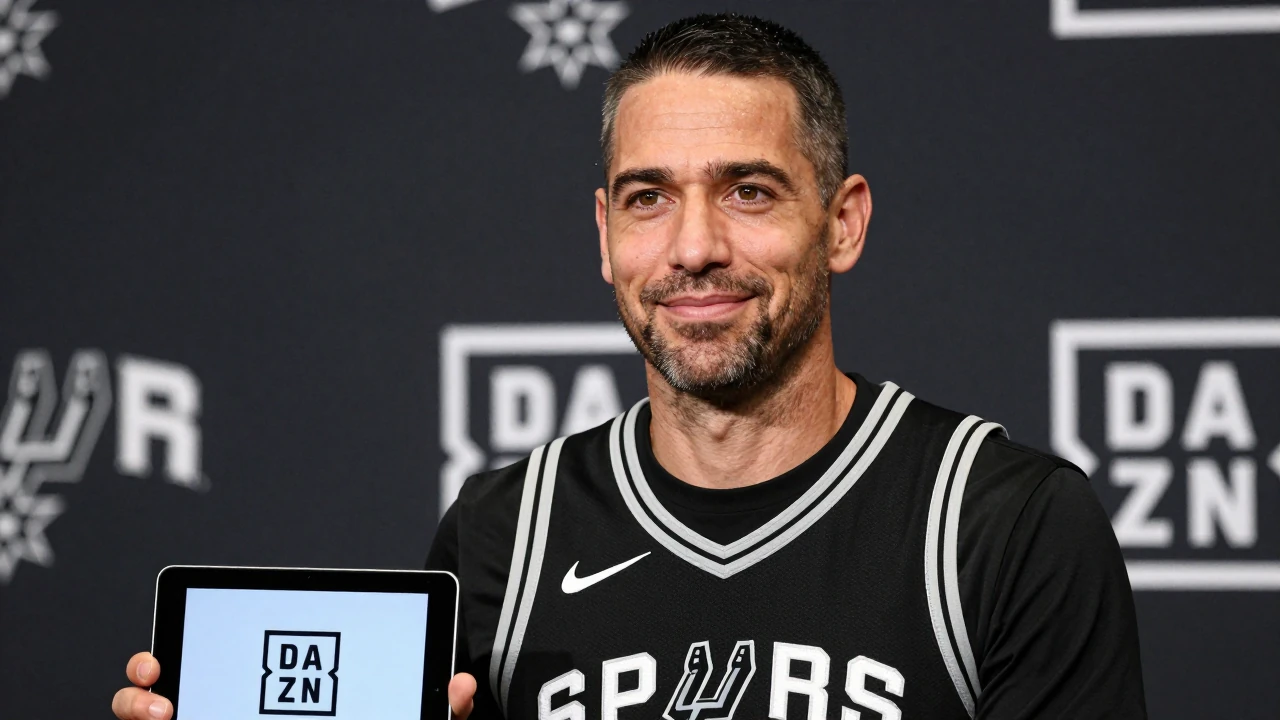
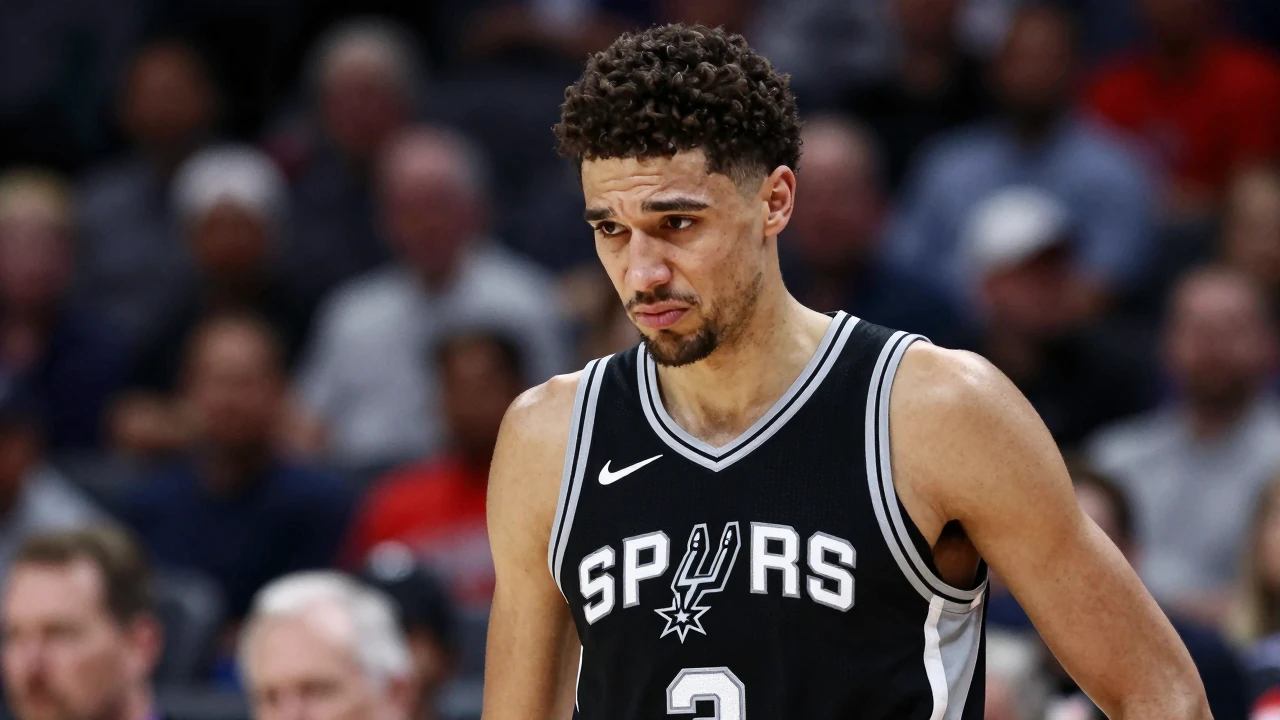
The San Antonio Spurs dropped their fourth straight game, falling 90-94 to the New York Knicks on June 14, 2026. Their recent form over the last five outings stands at just one win and four losses, a sequence of LLLLW that highlights a difficult stretch for the young team. Daily Mail Sport first reported the story.
What is the state of the San Antonio Spurs?
The Spurs' latest result, a 90-94 defeat, is part of a concerning pattern. They have lost their last four games. This skid has pushed the team's record in its last five contests to 1W-4L. While the loss to the Knicks was close, the inability to close out games has become a recurring theme. Head coach Gregg Popovich has consistently emphasized development, but the mounting losses test the team's resilience.
Every possession in the NBA is critical, and the Spurs have been on the wrong end of too many lately. Their offense has sputtered at key moments, and defensive lapses have cost them valuable points. You can review the team's full schedule and upcoming challenges on our [fixtures](/fixtures) page. The current roster, detailed on our [squad](/squad) page, is built for the future, but present growing pains are evident.
Why is consistent performance so hard to find?
Managing a young NBA team in a major market comes with intense scrutiny. Every win sparks talk of a turnaround, and every loss brings heavy criticism. Social media and a constant news cycle amplify every swing. Former players turned analysts add their voices weekly. This creates a volatile environment where finding stability is the primary challenge.
A coach's public demeanor can either add fuel to this fire or help dampen it. The most effective leaders in these situations often project a calm, steady presence. They avoid making headlines with controversial comments. This approach keeps the focus on the court and protects players from external noise. It's a deliberate strategy, not a personality flaw.
What comes next for the Spurs?
The immediate task is to break the losing streak. The team must focus on execution in late-game situations. Improving shot selection and tightening perimeter defense are obvious areas for work. Player development remains the long-term goal, but instilling a winning mentality is part of that process.
The front office will be evaluating the roster as the season progresses. They need to determine which young players can be cornerstones. The [standings](/standings) show where the team sits, but the internal metrics on player growth are just as important. Upcoming games will be a test of the team's character. Can they learn from these close losses and turn them into wins? The answer will define the next phase of their evolution. The focus must stay on incremental improvement, not the distracting cycle of boom and bust narratives that surround the franchise.